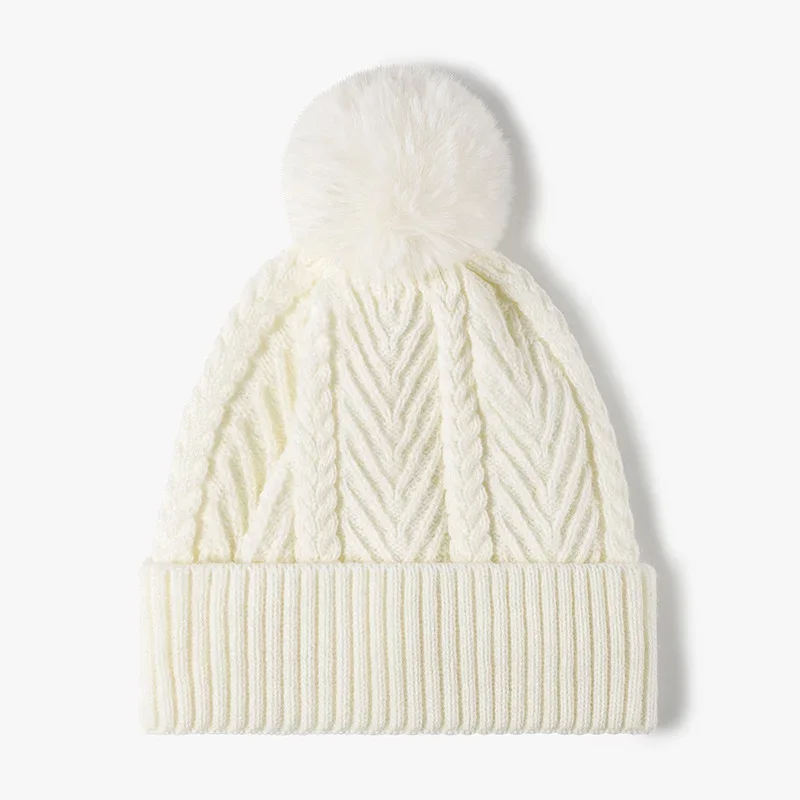
Cable-knit pom-pom
Raised cable texture and a generous folded cuff.
View style details →Start a custom beanie run from 50 pcs for eligible styles, or plan larger-volume production with our factory. Choose your logo, yarn and colours; approved orders of 100 pcs or more receive a refund of the sample-making fee.
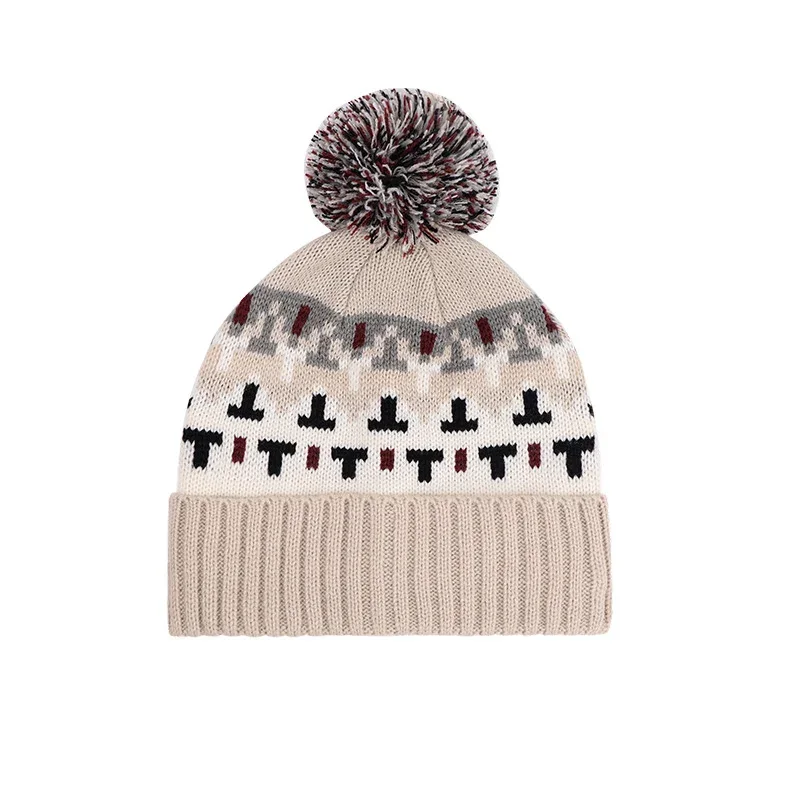 Pattern. Texture. Your identity.
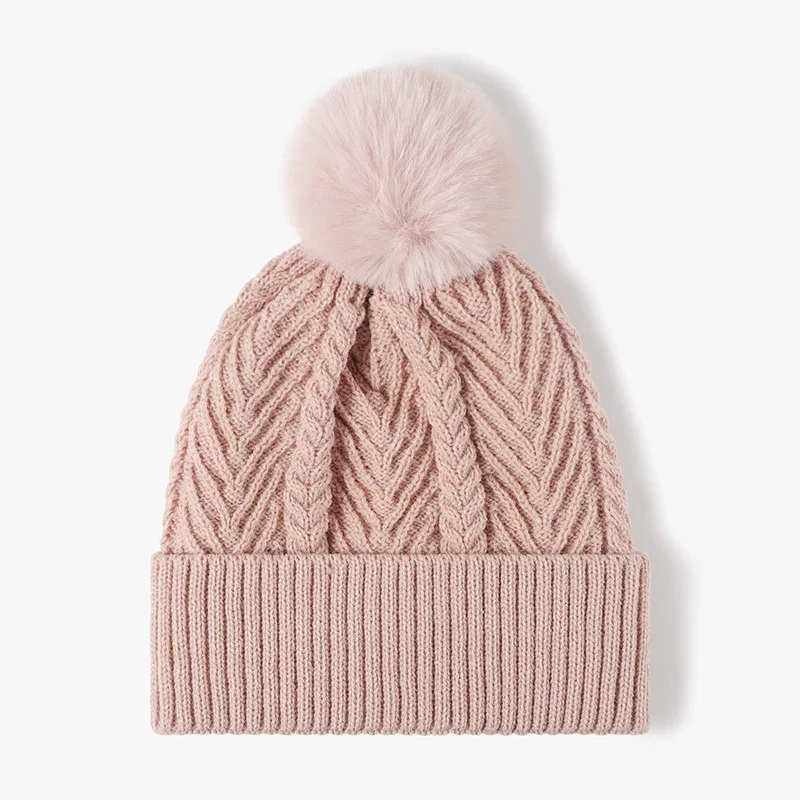 Cable knit
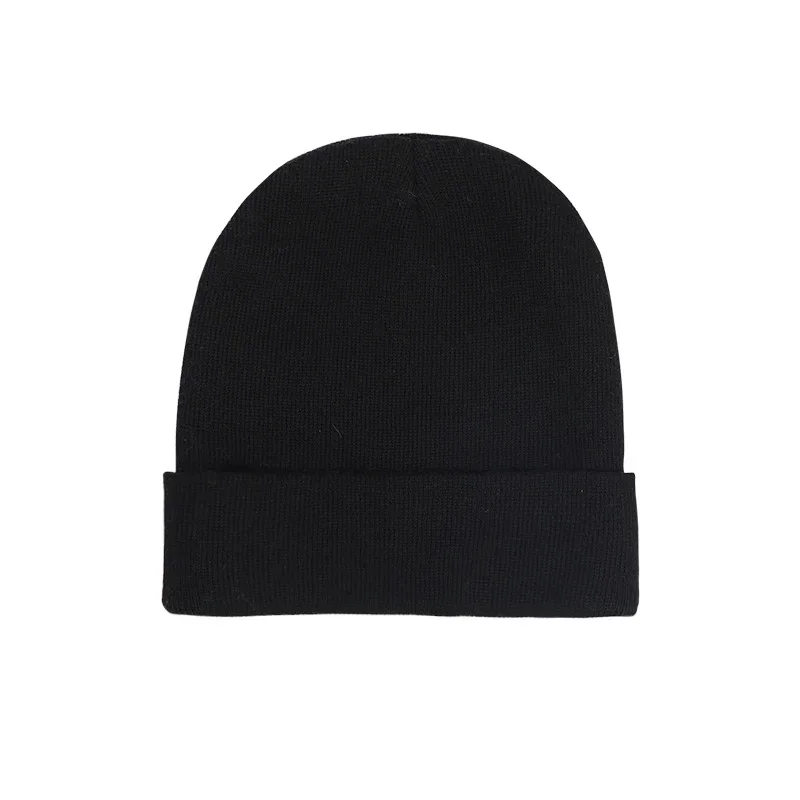 Classic cuff
Real product references · Made to your specification
Custom beanies from 50 pcs for eligible styles. Sample-making fee refunded on orders of 100 pcs or more, subject to written quotation terms. Ask us about larger production volumes.
First visual targeted within 2 hours during staffed design hours after a usable brief.
Reach us anytime through WhatsApp; personal replies follow working hours.
Estimated after yarn, artwork and specifications are agreed.
After dispatch, depending on destination and courier.
Timings are estimates, not guarantees. Complexity, materials, revisions and customs can affect delivery.
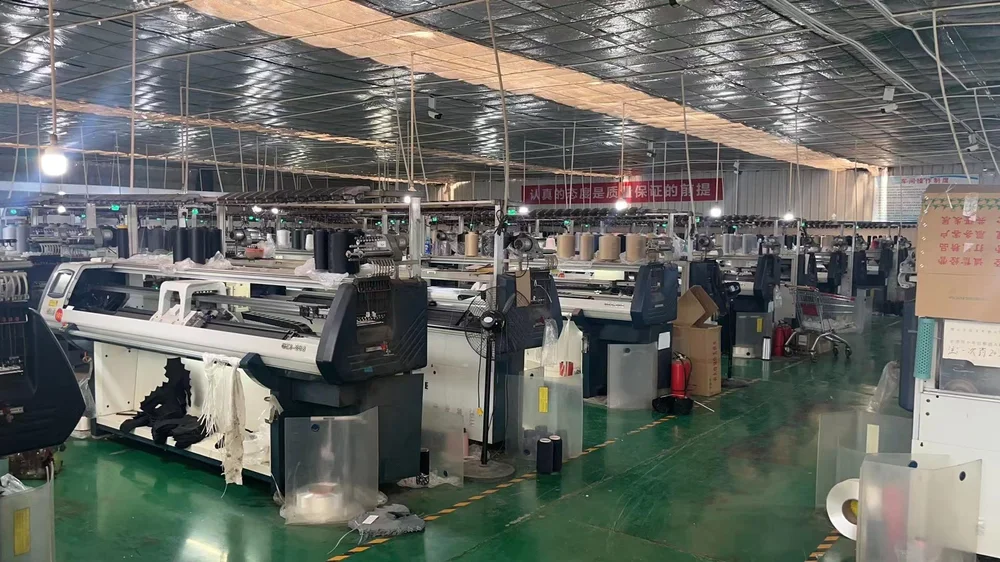
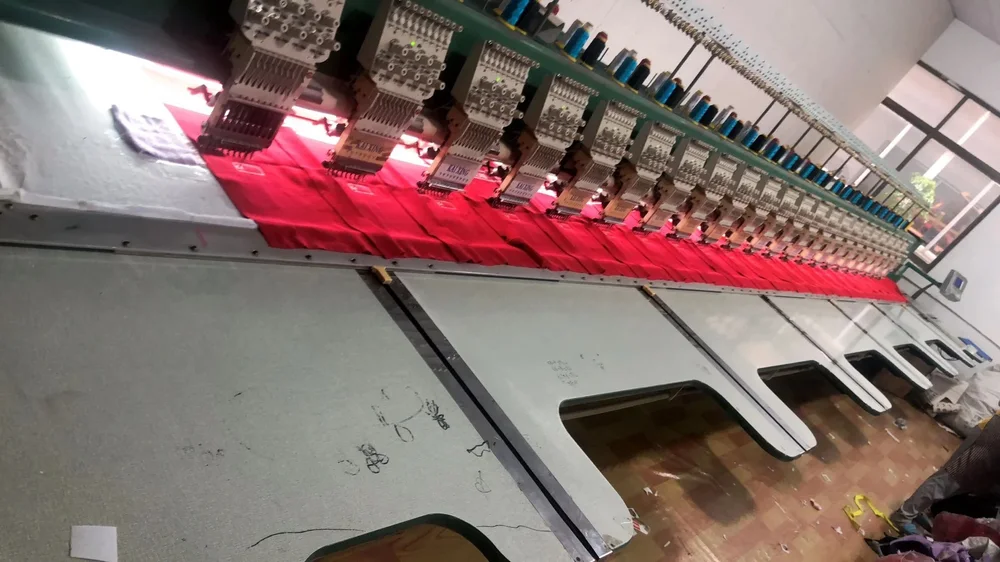
See real knitting and embroidery equipment used in headwear production. We confirm the production stages and finishing details for each project.
BeanieMaker is a factory-direct custom knitted beanie manufacturer in Baoding, China. We offer small custom orders from 50 pieces for eligible styles and also handle larger-volume orders. Choose available yarn colours, knit construction and logo options such as embroidery, knitted-in artwork, woven labels or patches. For orders of 100 pieces or more, the sample-making fee is refundable under the confirmed quotation terms.
Bring the parts you know. We can work through the open decisions before making a sample.
See how sampling works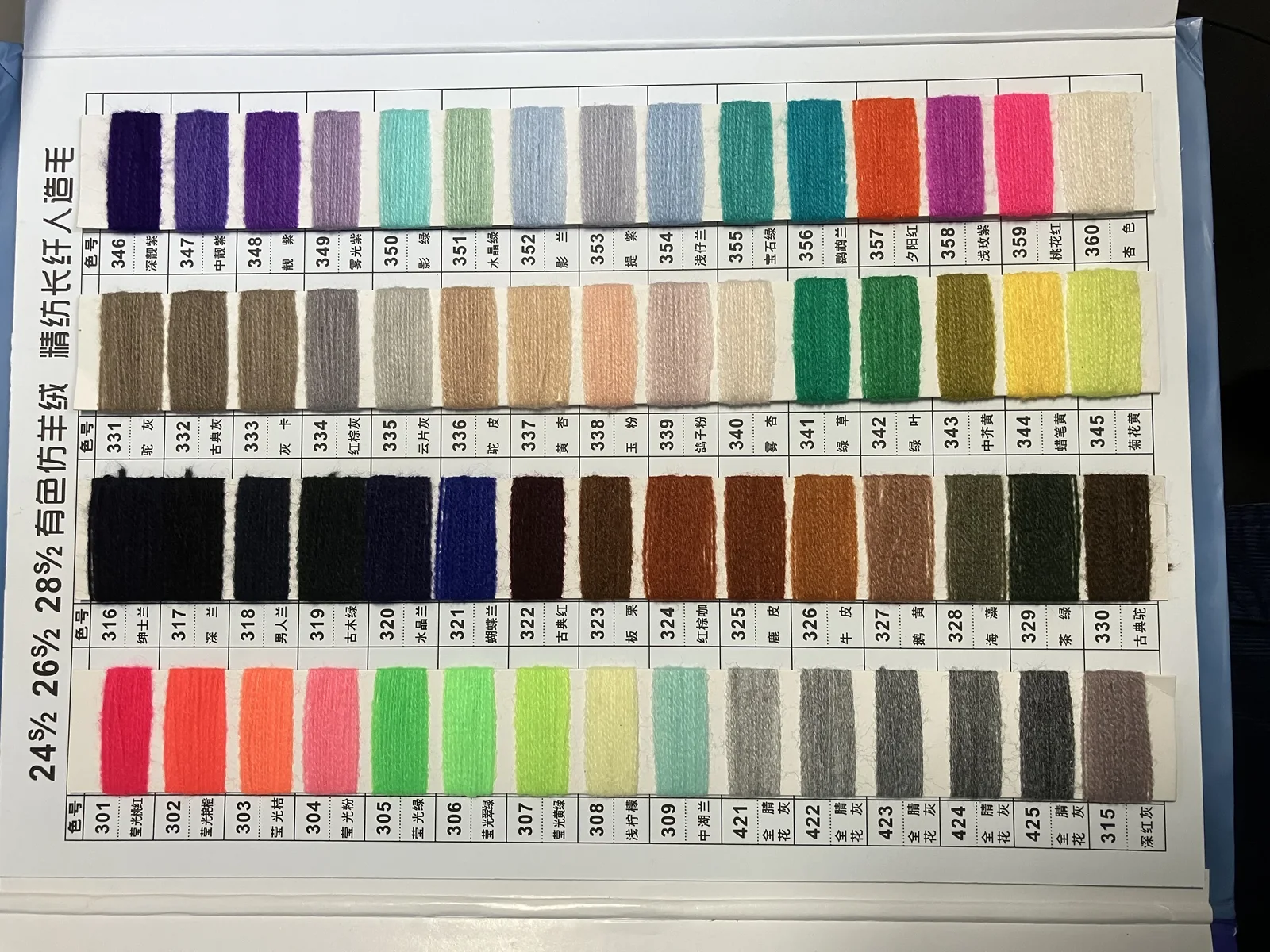 Our real shade references
Material content must be confirmed for each selected yarn.
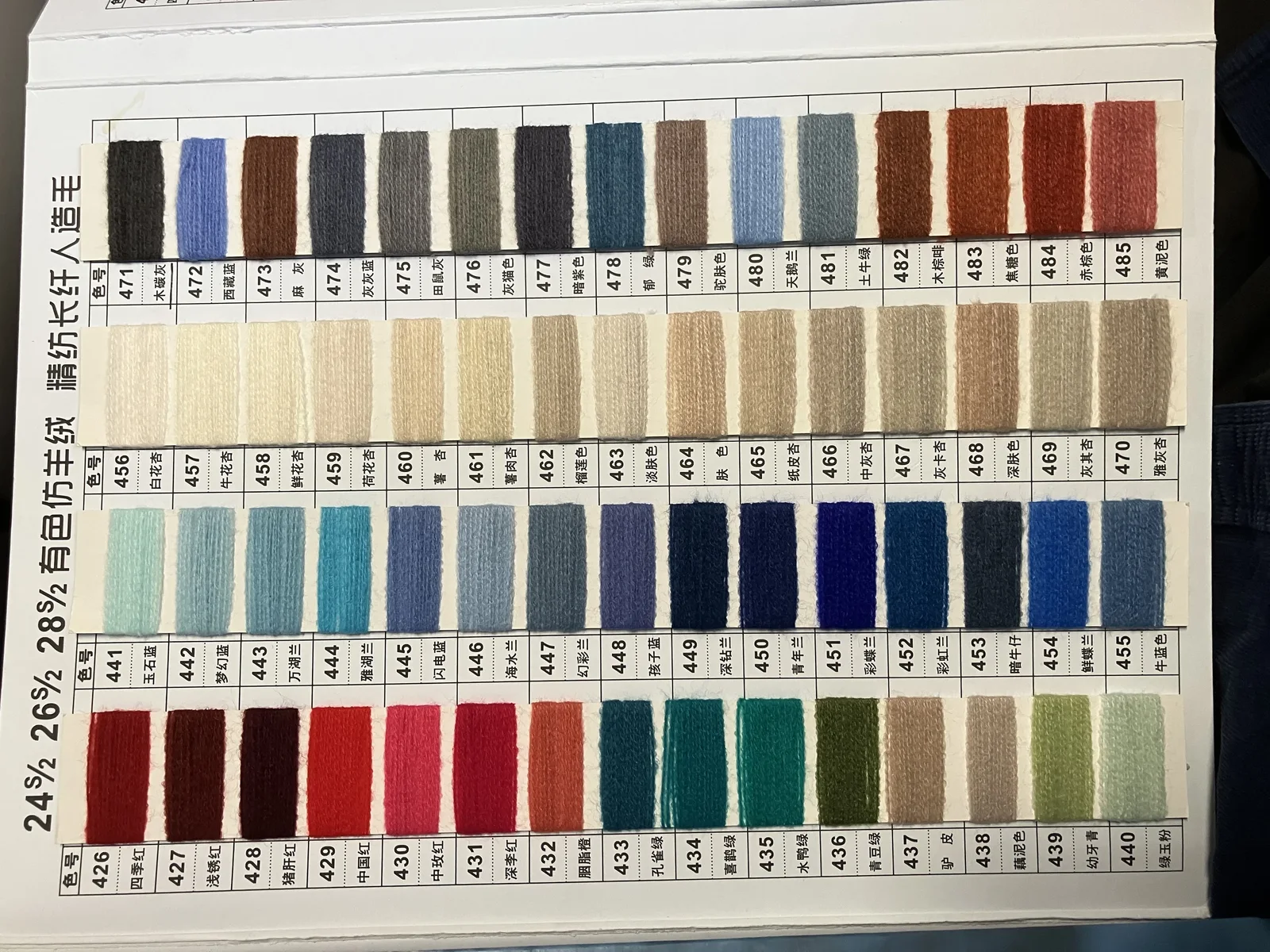 Our real shade references
Compare our real colour references, then confirm yarn composition and available shades.
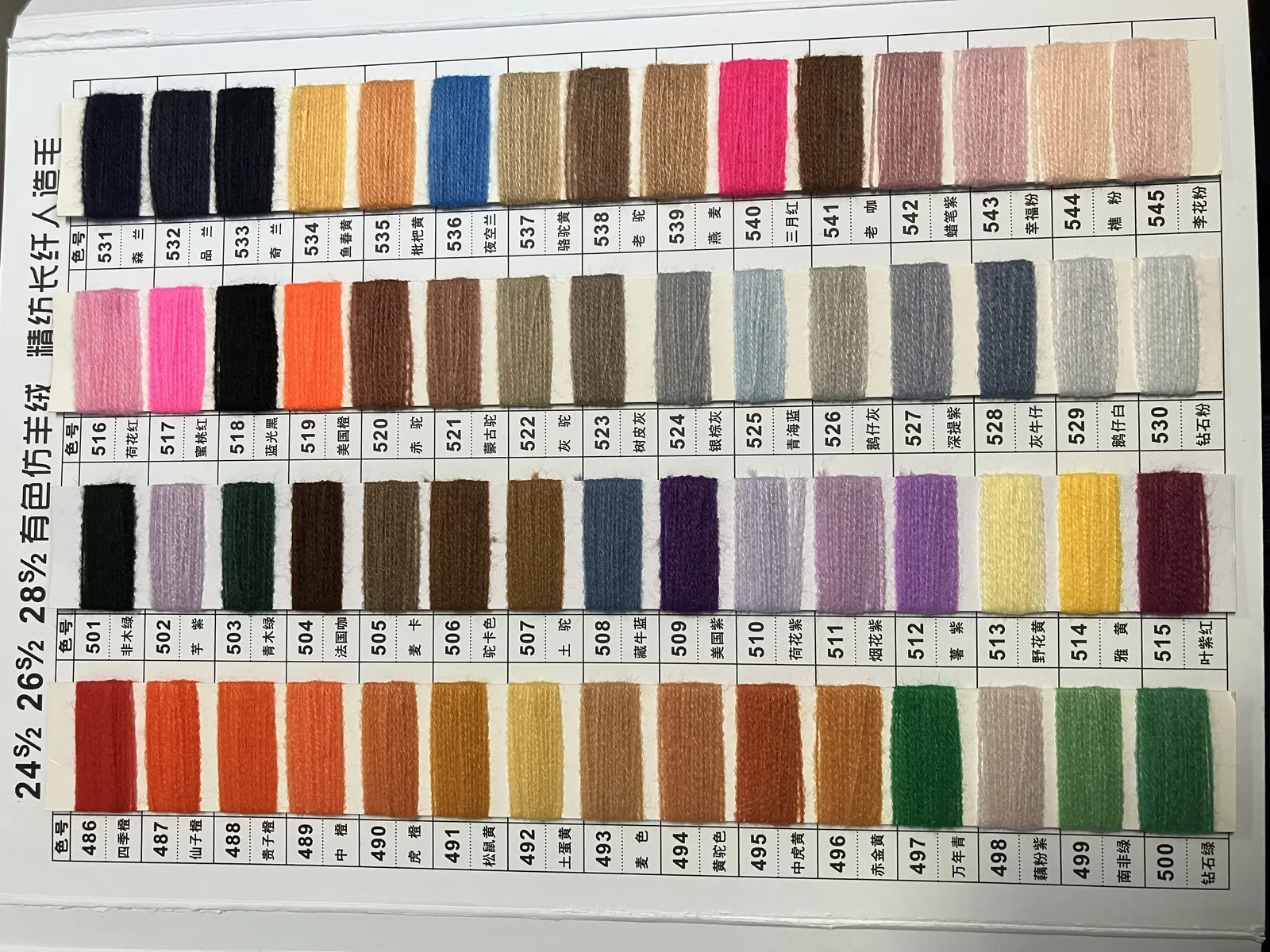 Our real shade references
Reflective properties and material specifications require sample testing.
Real colour-reference photographs supplied by our team. Images are not material certifications or guarantees of exact stock shades. Final colour and fibre specifications require confirmation with a physical sample.
Bring a physical swatch or a named colour reference. We can discuss existing shades and custom colour development against the chosen yarn and quantity.
These eight digital concepts help compare directions; our real colour-card photographs are shown above. Screen appearance is not a guaranteed dye match.
Material and dye minimums are confirmed for the project.
Compare six knitted beanie directions before confirming your logo, colourway and order details. These are photographed references, not ready-to-ship stock.
Raised cable texture and a generous folded cuff.
View style details →A clean silhouette for your own label or embroidery.
View style details →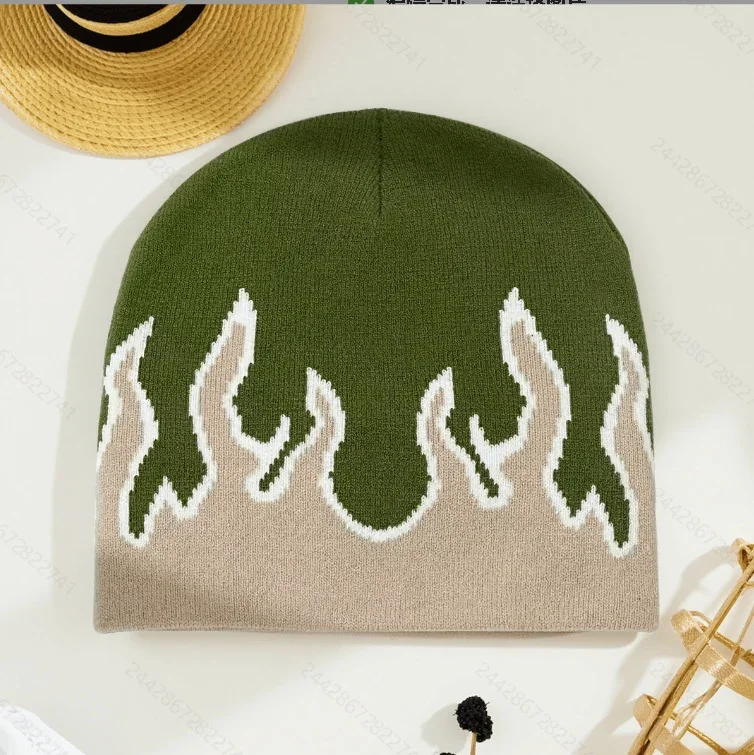
Olive and cream artwork knitted into the body.
View style details →A tonal pom-pom and a defined cable pattern.
View style details →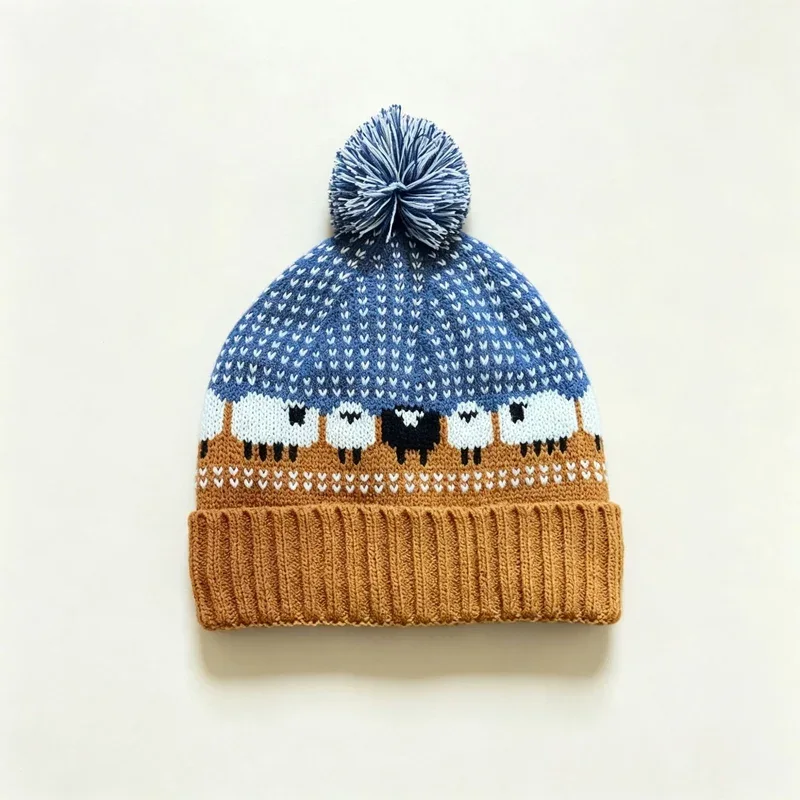
A colourful jacquard direction for seasonal collections.
View style details →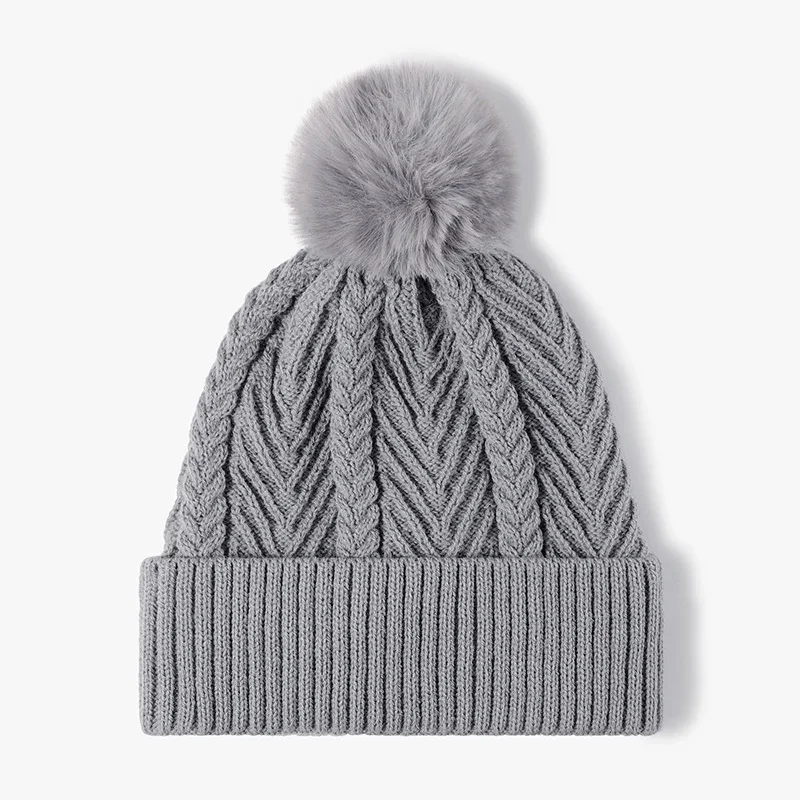
A textured winter style with a matching pom-pom.
View style details →Choose available yarn colours and add your logo using embroidery, patches, woven labels or knitted-in artwork. Compare logo options or prepare your custom beanie brief.
A knitted logo, embroidery, a woven tab or a sewn patch each changes the finish. Review the method and placement on your chosen knit.
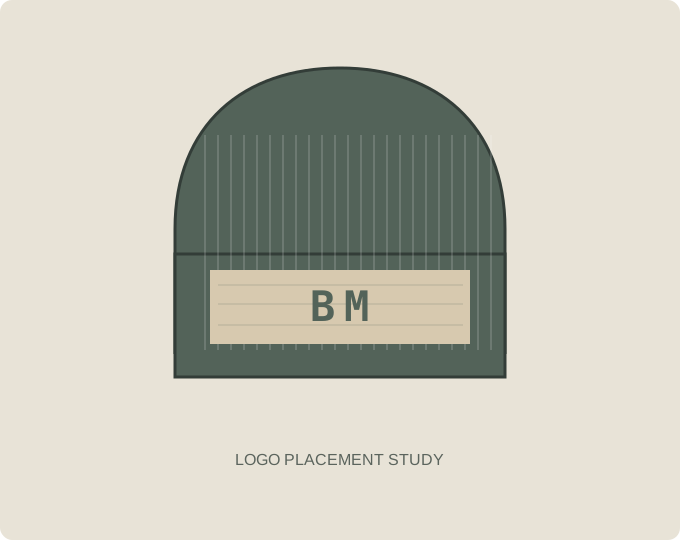 Design study
Build the motif into the knit.
A logo, wordmark or repeating pattern is formed with contrasting yarn colours. Review the artwork at the stitch scale: narrow gaps, fine lettering and colour changes need to work in the knitted grid.
Approve the knitted artwork, colour contrast and its position with the cuff folded.
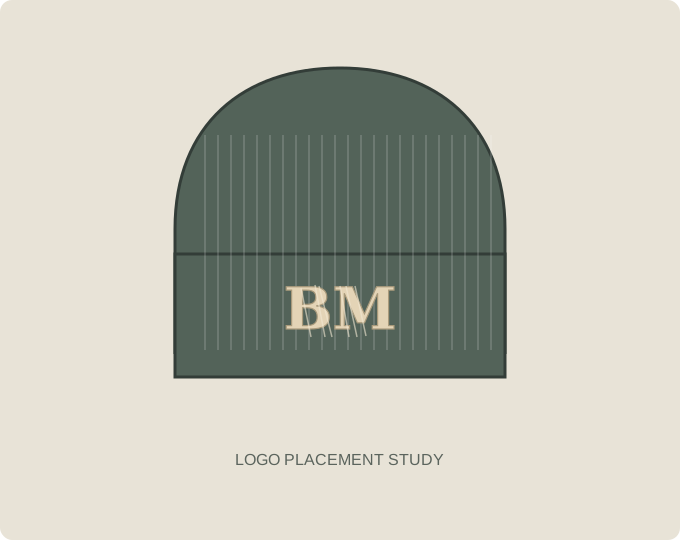 Design study
Put the mark on the finished surface.
Embroidery gives a separate thread finish to a wordmark or symbol. On a stretchy beanie, design size, backing and stitch coverage need to be reviewed together so the decorated area sits comfortably.
Check the finished logo on the actual knit, both relaxed and worn.
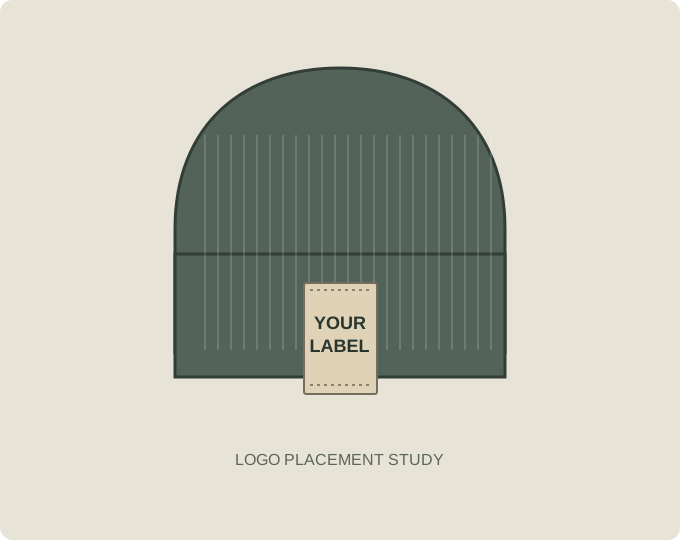 Design study
Use a small, clearly placed brand tab.
A woven label can sit on the front, side or cuff edge. Its finished dimensions, fold, attachment and reading direction matter as much as the artwork—especially when the cuff turns up.
Confirm which side faces out and whether the label is visible with the cuff up or down.
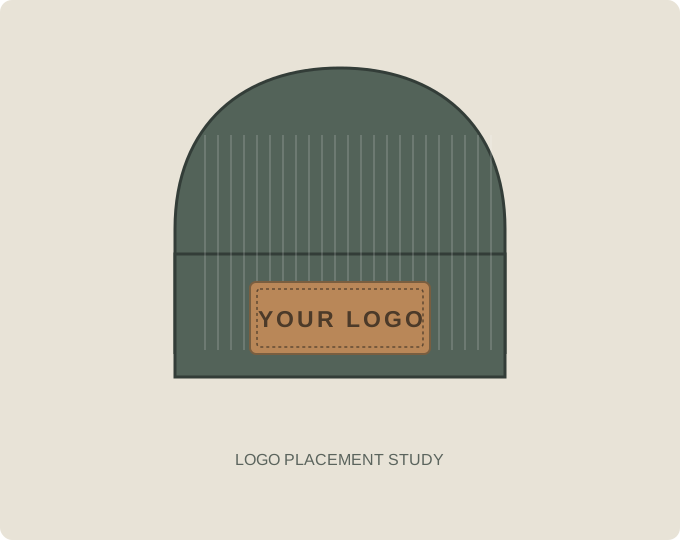 Design study
Give the logo its own surface.
A patch separates the mark from the knitted texture. Discuss the desired material, edge finish, size and attachment before sampling; a large rigid patch can change how the cuff stretches.
Approve patch material and edge detail, then check the attachment on a worn sample.
Illustrations show possible logo positions. Final artwork, dimensions, method and availability are reviewed for each project.
A sample should answer the questions that matter to your product: fit, feel, colour and branding.
Shape, yarn, colourway, artwork and quantities in one project brief.
See the actual knit, worn fit, logo position and finishing together.
Record the approved revision, production terms and delivery plan.
BeanieMaker is operated by Baoding BeanieMaker Headwear Co., Ltd.. Work directly with our factory team on your knit style, yarn colours, logo and sample approval.
About BeanieMakerA practical custom beanie specification guide covering fit, measurements, yarn composition, colourways, logo artwork and sample approval.
Read the note NOTE / 02Compare merino wool and acrylic for a custom beanie using composition, handle, colour, care and sample requirements instead of unsupported blanket claims.
Read the note NOTE / 03Use a practical custom beanie sample approval checklist for dimensions, yarn, colourway, logo position, finishing, care and the approved revision.
Read the note NOTE / 04Plan reflective yarn in a custom beanie with clear placement, base-yarn requirements, controlled sample photographs and appropriate claim boundaries.
Read the noteYes. Send the required fibre composition or a reference for the feel you want. Merino wool, acrylic and reflective yarn options can be discussed. The exact yarn specification and supply need to be agreed for the project.
Colour development can be discussed from a physical swatch or a clearly identified colour reference. Whether an existing shade or a new dye route is appropriate depends on the yarn, supply and quantity. A screen colour is a starting reference, not a final physical match.
Knitted-in artwork is one of the methods to review. Its detail must work at the stitch scale, so the wordmark, colour changes and final size should be checked before sampling.
Embroidery, woven labels and sewn patches are further directions. Placement, artwork size, backing or attachment and comfort on a stretchy knit should be reviewed on the sample.
NEW KNIT DEVELOPMENT
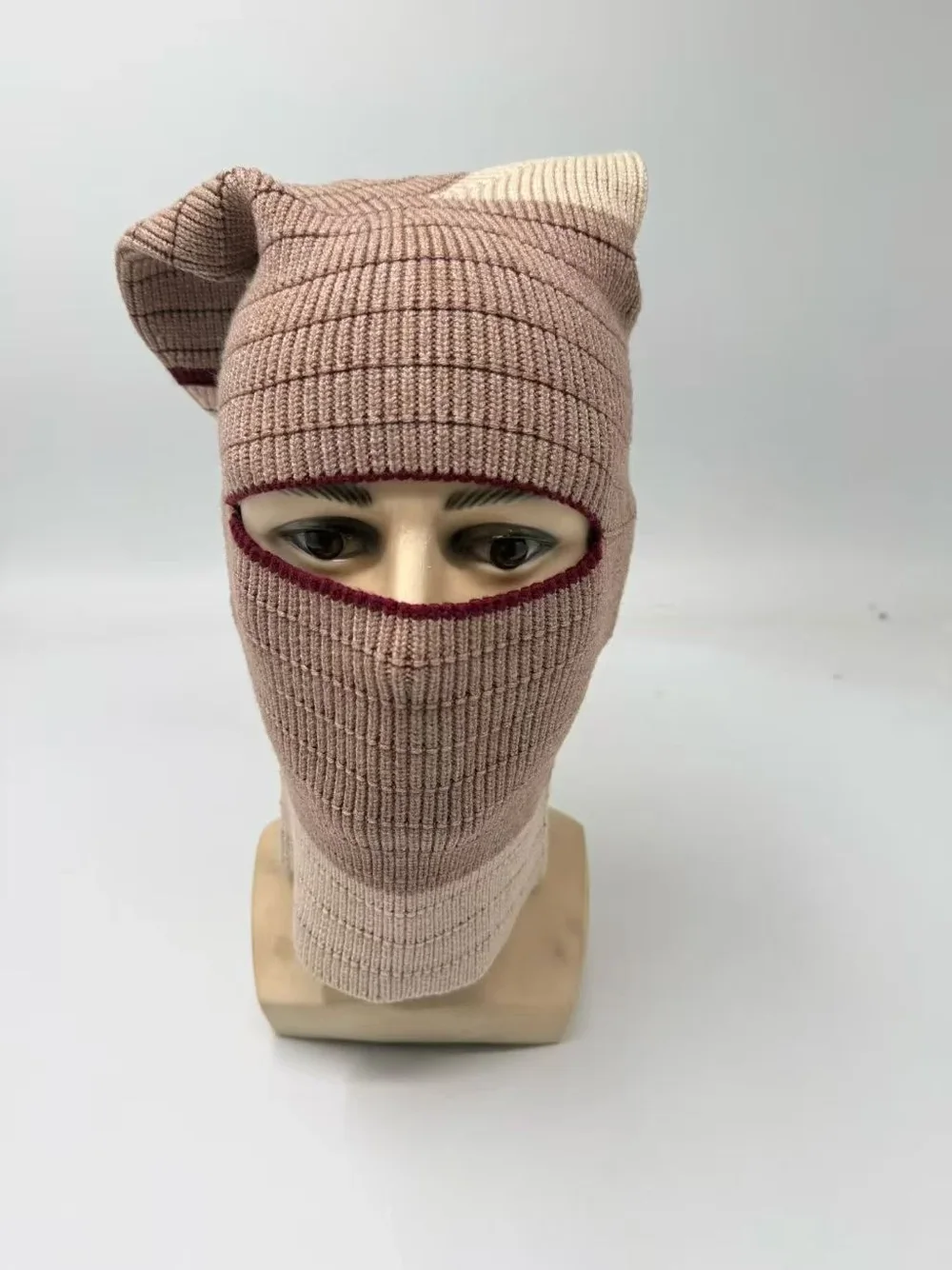
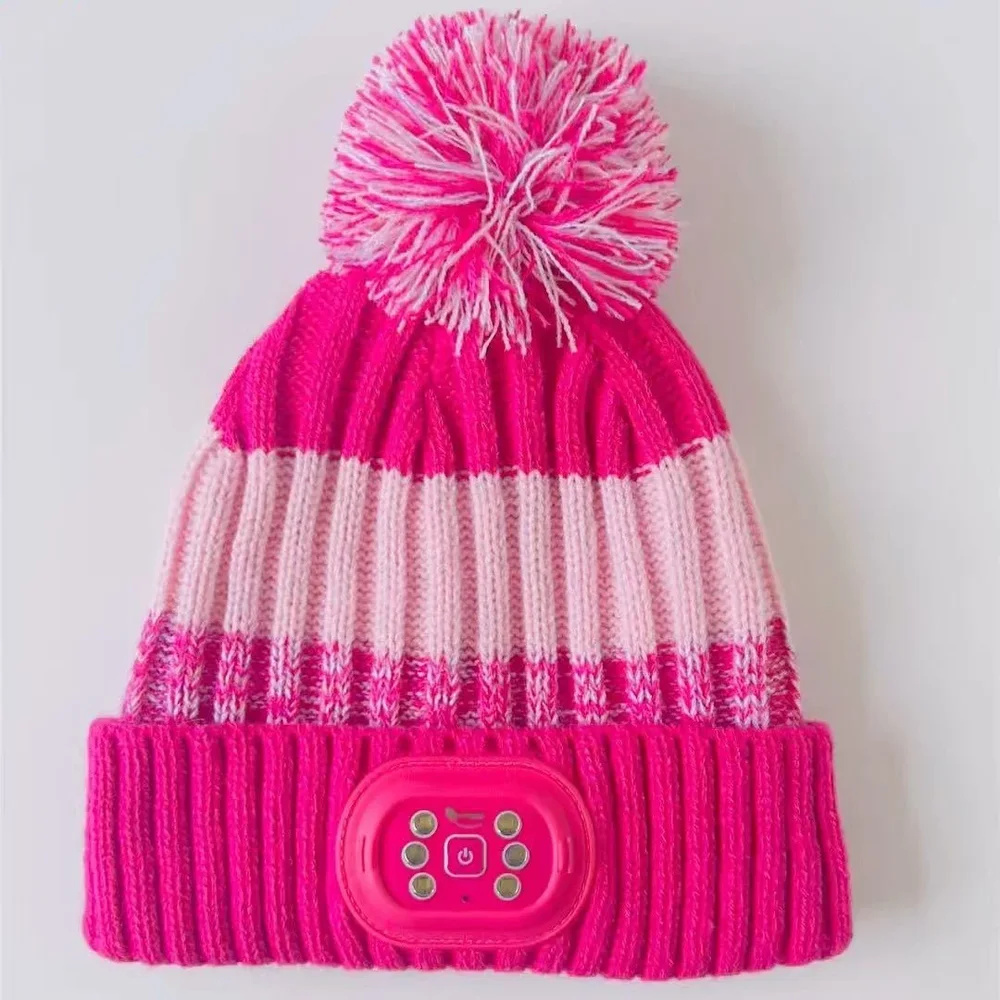
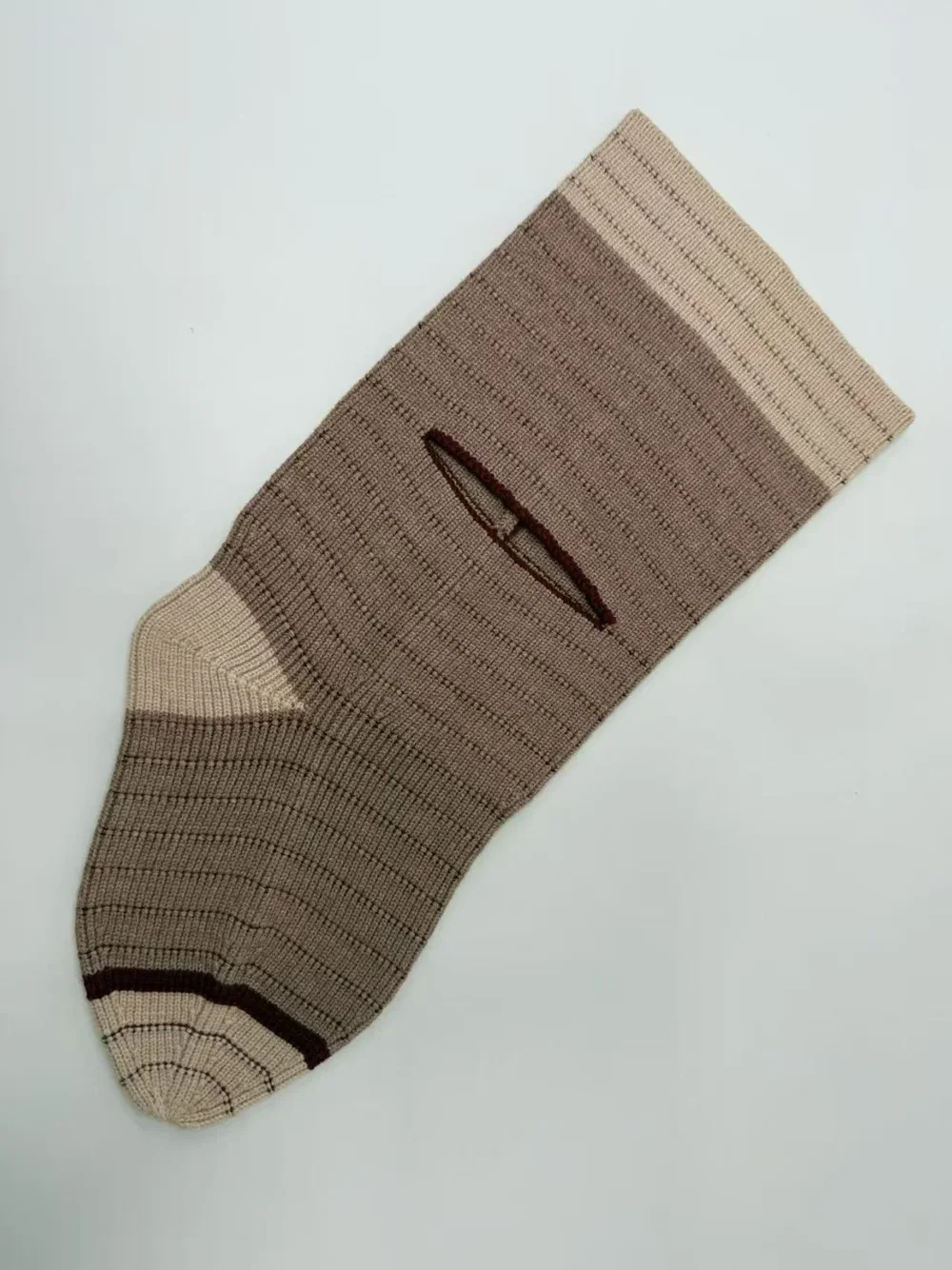
New product studies include a knitted balaclava, a beanie with an LED module and specialty rib-knit samples. Each project requires a specification review before we can confirm materials, component performance or production terms.