
Compare like with like
If one hat uses a thick, compact knit and another uses a fine, loose construction, you are not observing fibre alone. Try to keep the silhouette and construction requirements clear when comparing yarn directions.
Also distinguish pure merino from a blend. Write down the composition of each option before making a material comparison or drafting product claims.
Questions for the material review
| Requirement | Merino direction | Acrylic direction |
|---|---|---|
| Composition | Confirm pure merino or the agreed blend | Confirm acrylic or the specified blend |
| Handle | Review the actual yarn and knitted sample | Review the actual yarn and knitted sample |
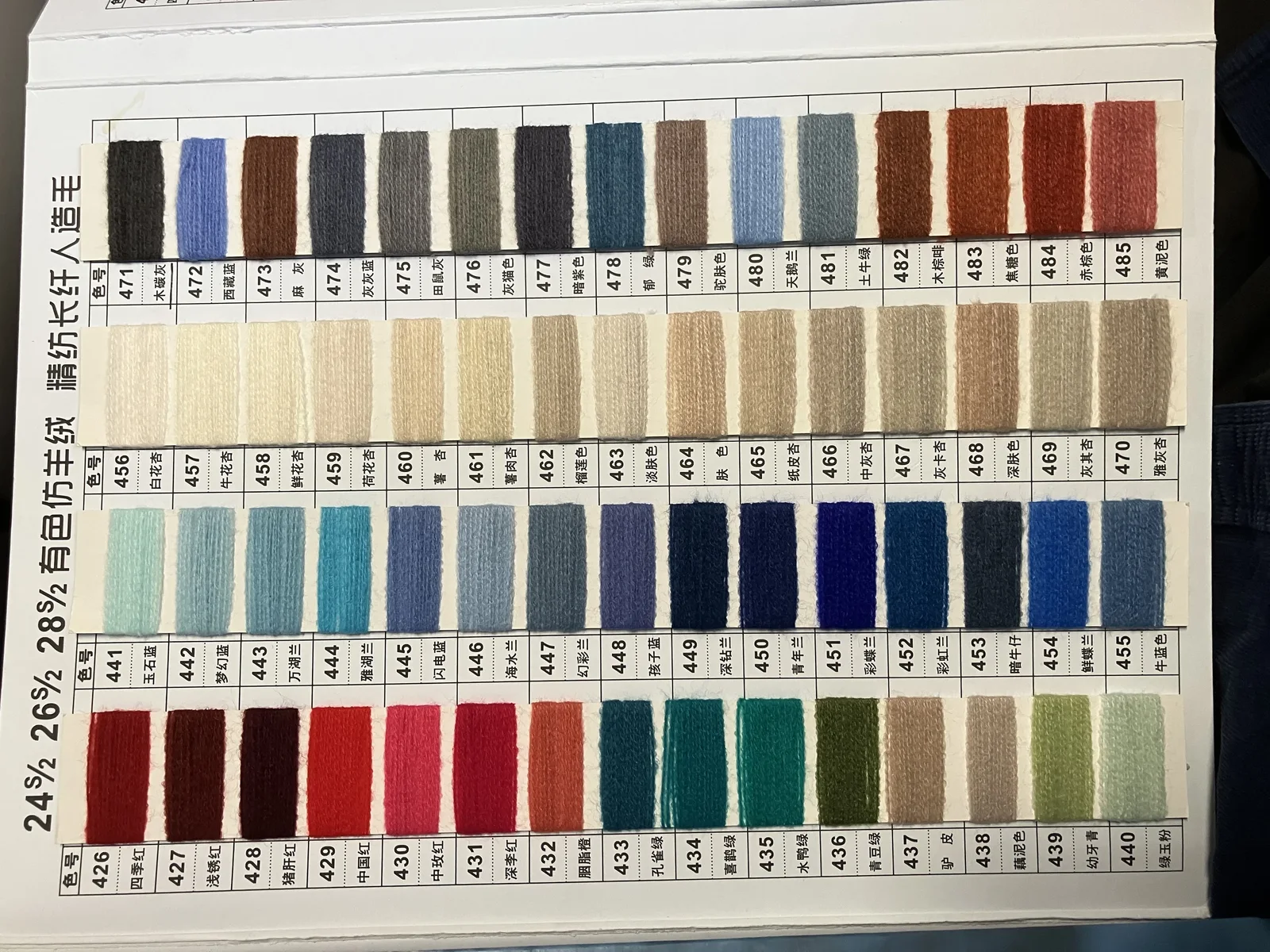
| Colourway | Check available shades or colour-development terms | Check available shades or colour-development terms |
| Knit and branding | Assess stitch definition, cuff and decoration together | Assess stitch definition, cuff and decoration together |
| Care | Agree instructions and any required care testing | Agree instructions and any required care testing |
| Cost and minimums | Quote the actual yarn, quantity and construction | Quote the actual yarn, quantity and construction |
Touch and wear the sample
A texture photograph can help explain the surface, but it cannot tell the buyer how the fabric feels against the skin or how the decorated cuff sits. Review a physical sample when those qualities matter to the product.
Ask for the dimensions and measurement method used with each sample. A hat that feels tighter because of its construction should not lead to an unsupported conclusion about every yarn of that fibre.
Treat care and performance as separate decisions
Do not assume a care instruction from a material label. The yarn, dye, finish, knitted structure and attached branding all belong to the finished product. Agree the actual care guidance and any tests your market or brief requires.
Claims about fibre fineness, certified sourcing, washability or another measured property need the corresponding evidence. Put required documents in the brief before sampling rather than asking a photograph to prove them.
Request two defined options
A useful comparison request names the target composition, style, colourway, quantities and desired feel for both options. That gives the quotation and sampling discussion a common basis.
If you are open to a blend, explain the priority you are trying to balance. The agreed yarn specification should then appear in the sample and quotation record.